hotline:020-29026320 |13903018415

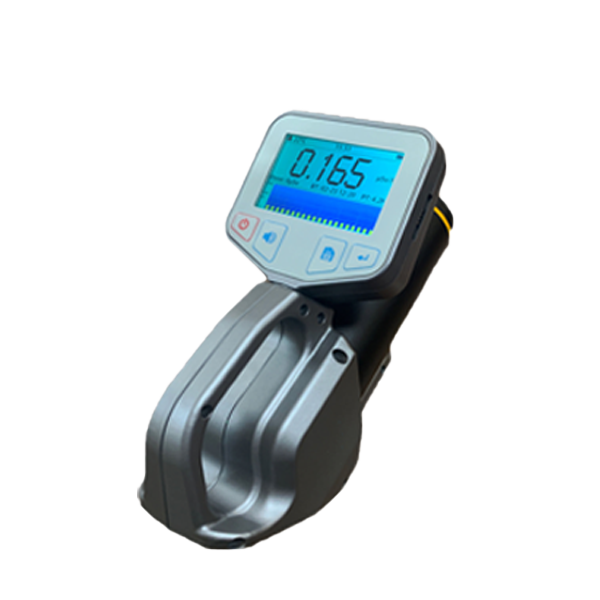
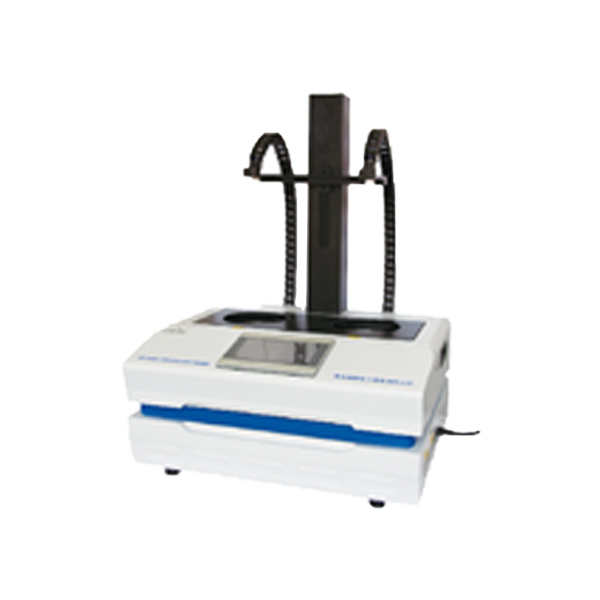
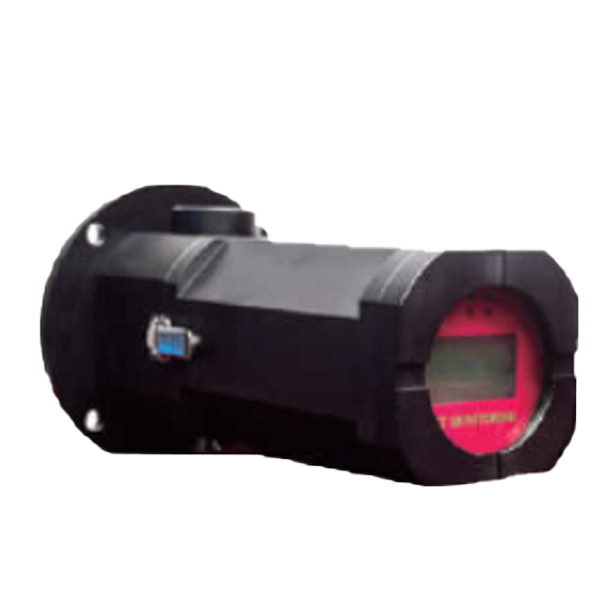
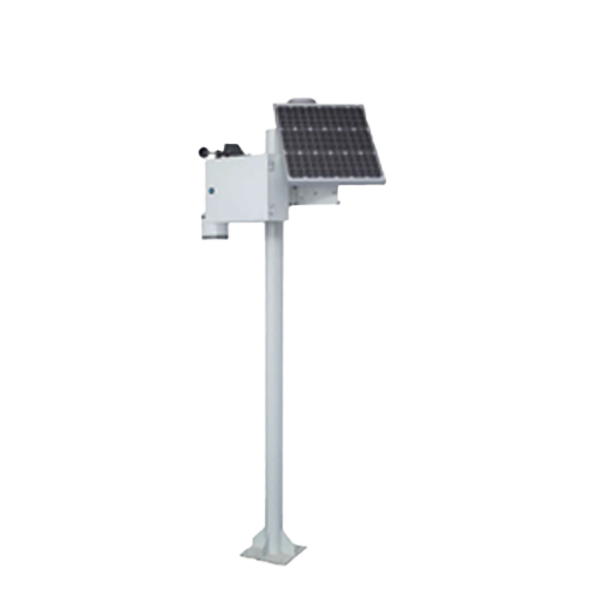
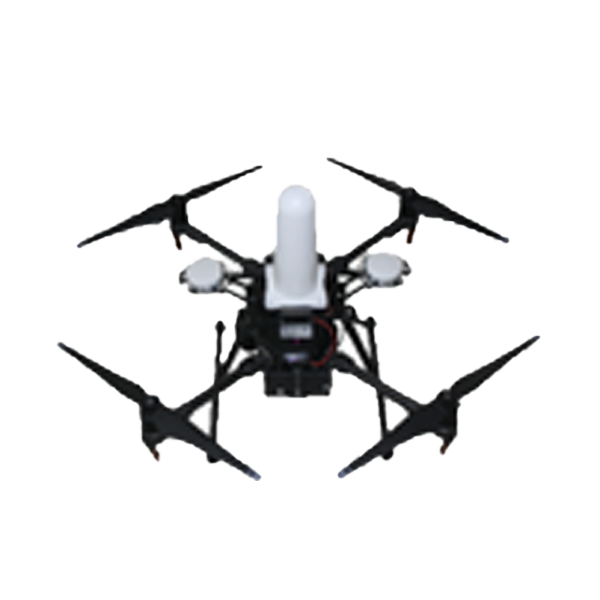
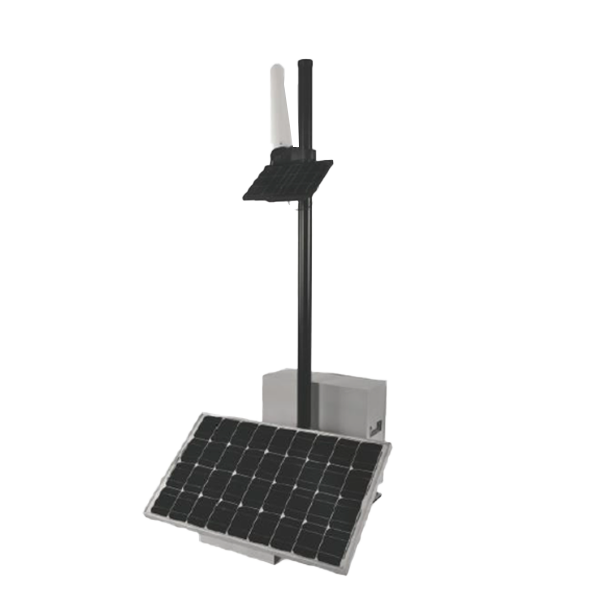

Plastic scintillator detectors offer advantages such as high detection efficiency and large count rate capacity. By changing the volume of the scintillator, different detection sensitivities can be achieved, covering different ranges. They are widely used in low-range radiation level monitoring, high-range radiation level monitoring, and radioactive surveys. Compared to Geiger-Müller tube detectors, they have higher dose resolution and more accurate measurement results; compared to ionization chambers, they are more stable and have stronger anti-interference capabilities.
The most prominent feature of this detector is its scalability. The circuits and mechanical structures in the basic detector have reserved dedicated interfaces. No structural or electrical modifications are needed to connect with different expansion function modules, enabling Ethernet communication, on-site large-capacity data storage, wireless communication, etc. Users can easily combine functions according to their needs.
The most prominent feature of this detector is its scalability. The circuits and mechanical structures in the basic detector have reserved dedicated interfaces. No structural or electrical modifications are needed to connect with different expansion function modules, enabling Ethernet communication, on-site large-capacity data storage, wireless communication, etc. Users can easily combine functions according to their needs.
The HY-20 radiation monitoring host, as a basic unit in the radiation monitoring system, realizes functions such as data acquisition, information display, remote communication, and data storage. It can be used independently with different types of radiation detectors and control units, or it can be used as a basic node integrated into the radiation monitoring system. The host can provide power to multiple digital radiation detectors and collect radiation information through the serial port, while remotely configuring parameters for the digital radiation detectors; on-site radiation information display uses an industrial-grade touch LCD screen, and the software display interface and configuration menu are simple and intuitive, simplifying user operation, and can simultaneously display on-site and remotely view real-time detection data of multiple probes through remote computer software. The host provides multiple digital communication interfaces, including RS-485 serial ports and Ethernet ports. The serial port uses the Modbus standard communication protocol, and the Ethernet port uses the TCP/IP standard communication protocol. The connection with the detector unit and the alarm control unit is achieved through the serial port. Based on the serial communication bus structure, the MR-20 can connect a single-channel digital radiation detector or connect multiple digital radiation detectors through a junction box; it can provide additional multi-channel switch quantity signal output, connect a single-channel alarm control unit or connect multiple alarm control units through a junction box, and can interlock signals with the access control system.
online message
Telephone:13903018415(Manager Wang)
Business: 020-29026320
E-mail:wangxueli@haiyoukj.com
Address: Rooms 1506-1507, Building 4, Chuangyue Times Cultural and Creative Park, No. 61 Xiannan Road, Guicheng Street, Nanhai District, Foshan City, Guangdong Province
Sweep code attention