hotline:020-29026320 |13903018415


Application and performance of nuclear radiation detector
2024-10-12
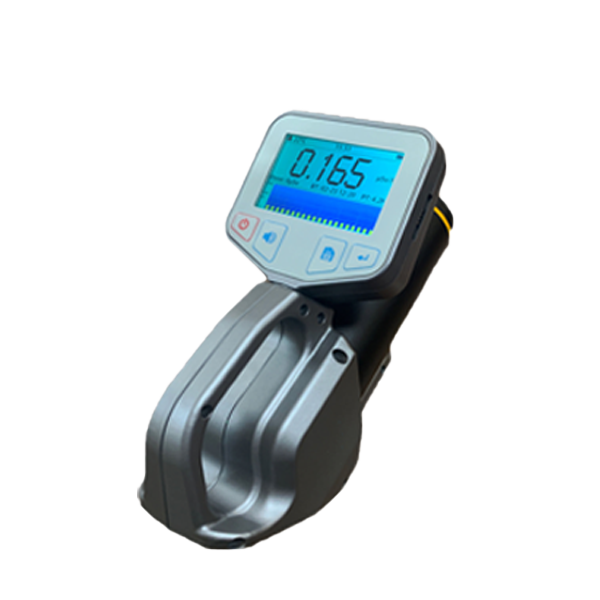
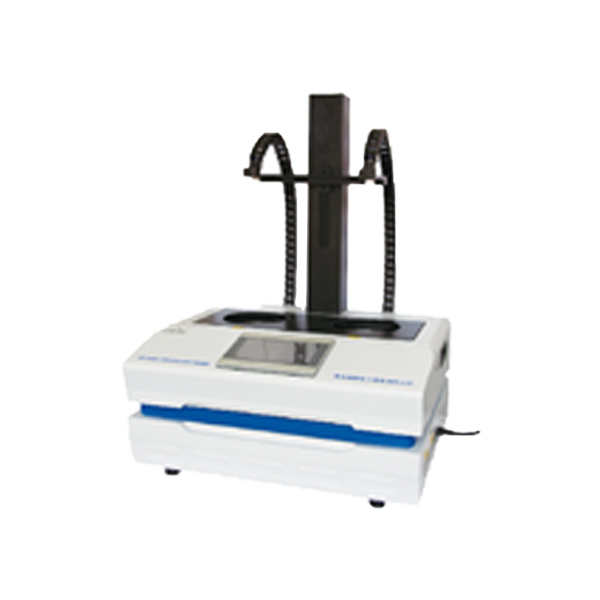
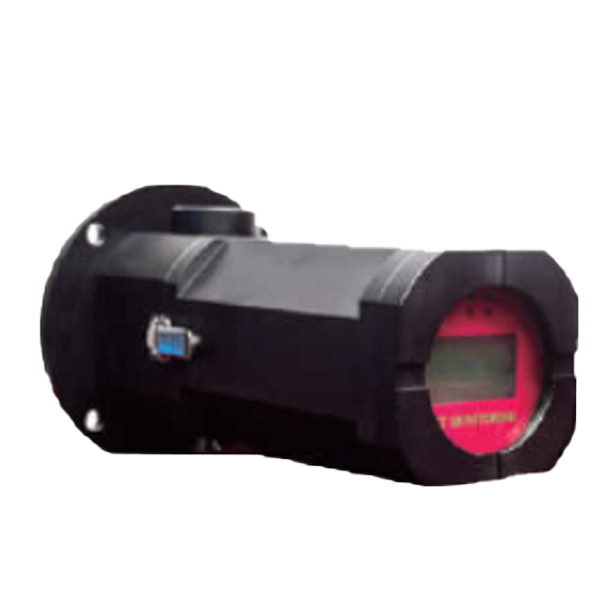
Also known as nuclear radiation detectorradiation detector. There are radiation alarm devices on the marketThe radiometer is an instrument without dose display, which can only indicate whether the radiation of the wearer's current site exceeds the standard. As for the specific radiation dose, it is not easy to determine. Radiation dose detector, this instrument can not only alarm, but also clearly display the radiation dose value of the current site.
Damage Mechanism of 1. Radiation to Human Body
2, the ionization and excitation of biological matrix is the basis of biological effect.
2, cell DNA and membrane is the target of radiation, is the key to cause a series of biochemical, physiological and pathological changes of cells.
3, direct effect: the energy of ionizing radiation is directly deposited with biological macromolecules, causing ionization and excitation of biological macromolecules, destroying the body's nucleic acids, proteins, enzymes and other substances with life functions.
4. Indirect effect: Ionizing radiation first directly acts on water, causing water molecules to produce a series of primary radiation decomposition products, and then acts on biological macromolecules through the radiation decomposition products of water.
2. different tissues or organs have different sensitivity to radiation:
2, highly sensitive: lymphoid tissue, thymus, bone marrow, gonads, embryos, gastrointestinal epithelium
2, Moderately sensitive: sensory organs, endothelial cells, skin epithelium, salivary glands, kidney, liver, etc.
3, mild sensitivity: central nervous system, endocrine glands, heart
4, not sensitive: muscle tissue, cartilage tissue, connective tissue
Nuclear radiation detector is an intelligent detection instrument used to measure exposure, dose equivalent rate and absorbed dose rate. In addition to measuring high-energy and low-energy gamma rays, it can also accurately measure low-energy X-rays.
It can be widely used in environmental monitoring, health and epidemic prevention, import and export commodity inspection, radiation medicine, building materials, petrochemical industry, geological survey, waste steel, nuclear laboratory and other fields of radiation protection monitoring, as well as airports, stations, ports and other fields.
Classification of the use of 3. nuclear radiation detectors
Generally speaking, customers who buy nuclear radiation detectors can be roughly divided into 4 categories:
2. Safety organizations, such as police and fire brigades, emergency response organizations, environmental organizations, hazardous materials disposal, metal recycling companies, mines, etc., have a higher probability of exposure to various radioactivities.
2. Ports, docks, airports, etc., these places have a high probability of radiation contamination due to the large flow of personnel and various import and export goods, especially when it comes to entry and exit personnel.
3. Hardware factories, ceramic factories, hospitals, research institutions, laboratories, Food and Drug Administration, universities, etc., they are exposed to various low-intensity or leaked radiation.
4, concerned about the quality of the living environment and personal safety of private individuals, such as someone who wants to be at home, food, water, etc. to find the surrounding environmental pollution (all kinds of unexpected accidents or terrorist attacks, etc.).
Previous Page:


online message
Telephone:13903018415(Manager Wang)
Business: 020-29026320
E-mail:wangxueli@haiyoukj.com
Address: Rooms 1506-1507, Building 4, Chuangyue Times Cultural and Creative Park, No. 61 Xiannan Road, Guicheng Street, Nanhai District, Foshan City, Guangdong Province
Sweep code attention