hotline:020-29026320 |13903018415


Environmental Monitoring and Quality Control Measures for Electromagnetic Radiation of Mobile Communication Base Station
2024-10-12
Electromagnetic radiation generated by 1. base stations
The part that generates electromagnetic radiation is the antenna on the base station, which can be mainly omnidirectional and directional antennas. For an omnidirectional antenna, it is based on the horizontal plane.The 360-degree direction carries out a large range of radiation and has a very large coverage, so it is only used in the suburbs or large areas. It can be seen from the name that the directional antenna needs to be adjusted within a fixed range in terms of direction, direction and adjustment angle. It is very common in urban areas and is characterized by low coverage, but it is very high in terms of user applications and user density. For the base station antenna emission capacity, in general, is the use of professional units for the corresponding representation, that is, antenna gain, which is mainly the use of two aspects of the antenna and radiation unit, in a certain location in the feature space intersection, so as to send the two signal power density ratio. Mainly based on the quantitative manner of the base station antenna received by the input power, the degree of further concentrated radiation. It is expressed using dBi.
Prepare instruments and personnel before 2. monitoring
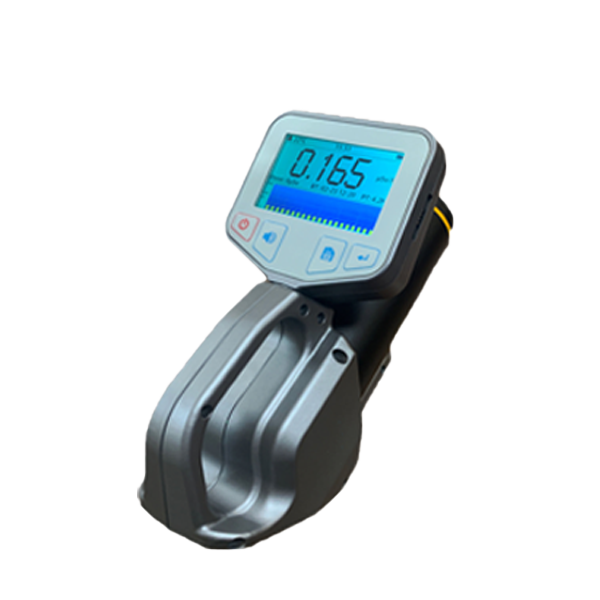
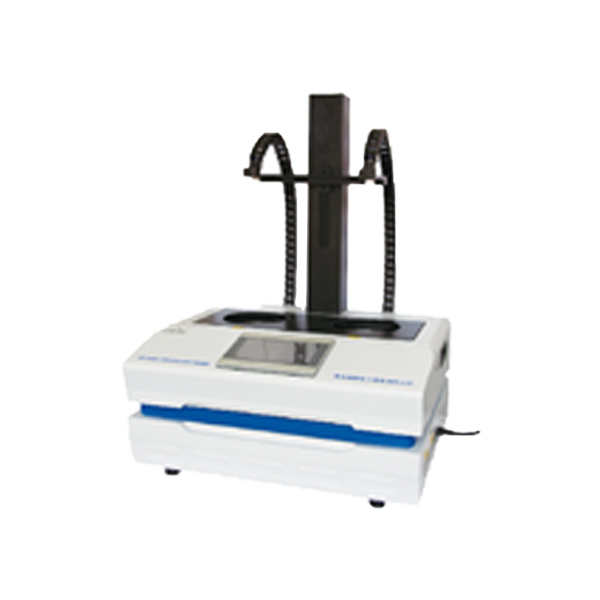
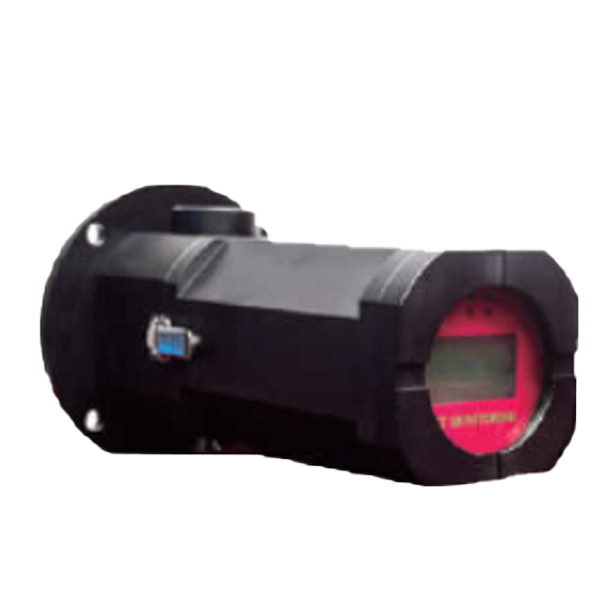
According to the management and measurement system requirements of the inspection and test organization, the equipment for monitoring the electromagnetic radiation environment needs to be identified externally and internally. External verification refers to the determination of whether the indication error of the monitoring instrument meets the requirements stipulated by the national legal verification agency or the organization legally authorized according to the verification regulations, and the frequency is once a year. The internal inspection work is carried out by the professional testing department to carry out the corresponding functional testing of the instrument., and verify the procedures and functions of the monitoring instrument to ensure the traceability of the monitoring instrument calibration equipment. Internal inspection is mainly periodic verification testing and internal calibration of the instrument. For re-purchased equipment or repaired equipment, corresponding program calibration and verification must be carried out before use. The instruments and equipment for monitoring the electromagnetic environment are mainly divided into non-frequency-selective and frequency-selective monitoring equipment. The two devices need to select the instruments and equipment used for environmental monitoring according to the type of monitoring objects and the purpose of monitoring. The non-frequency-selective radiation monitoring equipment mainly monitors the electromagnetic radiation environment of the communication base station, and the frequency-selective detection equipment is mainly used for radiation monitoring of multiple targets, mainly monitoring multiple source objects that emit radiation, effective monitoring of the contribution of electromagnetic radiation generated by each radiation. Before the formal monitoring, the monitoring equipment used should be reviewed and verified to see if its performance meets the relevant requirements, and to ensure that the equipment can meet the requirements of the monitoring standards. In addition, it should be noted that before and after the monitoring of the environment, the monitoring equipment should be inspected and audited to ensure that the equipment for monitoring the environment is in normal working condition. In the process of monitoring, it is necessary to provide a strong guarantee for the monitoring equipment. In addition, it is necessary to strengthen the audit of the quality and ability of the monitoring personnel. The quality and ability of the monitoring will have a serious impact on the quality of the monitoring. Therefore, it is necessary to carry out corresponding skill training for the monitoring staff, so as to improve their professional knowledge and skill ability, thus promoting the monitoring staff to have the professional knowledge during monitoring, and further keeping in mind the monitoring standards and relevant regulations of electromagnetic radiation. The monitoring instruments and equipment can be operated very skillfully, which is conducive to the maintenance and calibration of the equipment in the later stage, finally, we should master the control measures of monitoring quality. At the same time, the control consciousness and thought of the monitoring staff can be further strengthened and improved, so that the environmental monitoring work is to complete the data collection and monitoring in the state of due diligence. From the management of personnel to do a good job of monitoring quality control, can effectively ensure the quality of environmental monitoring.
3. Site Layout and Monitoring
Monitoring the environment of electromagnetic radiation from communication base stations is compared with other monitoring environments.It has some different characteristics, such as specificity and pertinence when monitoring the electromagnetic environment. Since the electromagnetic radiation emitted by the base station is covered according to the characteristics of the antenna, it is very important to select the location of environmental monitoring. Only by correctly selecting the appropriate location can the relevant monitoring work be carried out. Therefore, before the start of environmental monitoring, the name and location of the communication base station and the height, as well as the relevant data of various parameters, should be collected in a unified way, and then the other base stations around the communication base station and some sensitive distribution points should be analyzed. In the layout of environmental monitoring points, the environmental sensitive points with small height difference in the direction of the main lobe shall be considered first. During the monitoring period, the staff needs to maintain a distance of more than 0.5m between the monitoring instrument probe and reduce the interference with other incidental radiation sources in the surrounding. For the monitoring reading should be at each monitoring point, should be more than 5 times of continuous measurement, and the monitoring time is not less than 25 seconds, and finally the maximum value monitored in the stable state is read. If there is a large fluctuation in the read data, the monitoring time should be lengthened. When using the automatic measurement function of the monitoring instrument, continuous sampling should be started at a time higher than 6 minutes and in accordance with the average detection mode, and the frequency of sampling should reach 2/s.
4. data records
Forelectromagnetic radiationenvironmental monitoring data, must be quality controlled from all aspects, such as data recording, data review. When recording data on the monitoring site, the data must be recorded in the detailed record form uniformly issued by the department. The data collection record form has the following main contents:
(2) Basic information overview, name, construction department, location, network system and type, transmission frequency range, mast type of steel tower, base station antenna height from the ground, etc. of the base station;
(2) On-site monitoring conditions, main temperature, humidity, weather conditions, monitoring instrument model, monitoring staff, monitoring period, etc;
(3) Monitoring results, including dot graphs, monitoring data and other necessary data. Data records must be accurate and detailed.


online message
Telephone:13903018415(Manager Wang)
Business: 020-29026320
E-mail:wangxueli@haiyoukj.com
Address: Rooms 1506-1507, Building 4, Chuangyue Times Cultural and Creative Park, No. 61 Xiannan Road, Guicheng Street, Nanhai District, Foshan City, Guangdong Province
Sweep code attention