hotline:020-29026320 |13903018415


What are the types of voc gas detectors?
2024-10-12

VOC in the ordinary sense of VOC refers to volatile organic compounds, but the definition of environmental protection refers to a kind of active volatile organic compounds, that is, the kind of volatile organic compounds that will cause harm. Therefore, in the face of hazardous VOC detection, we need VOC measuring instruments to protect our safety. Its VOC gas detector is used to continuously measure toxic and harmful organic gases in hazardous or industrial environments, and is also a special application for personal safety protection and on-site VOC detection. So do you know which types of voc gas detectors there are? The following small series for you to introduce:
The types of voc gas detector are as follows:
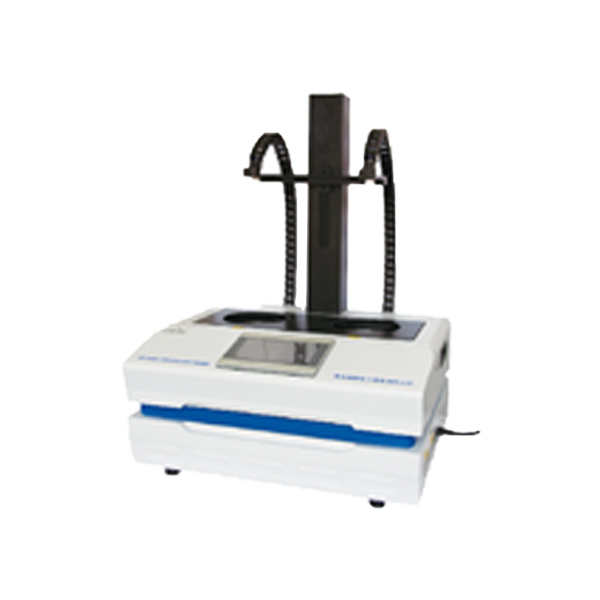
2. Laboratory instruments
Laboratory analysis of VOC, usually the use of Suma tank, sampling bags, absorption liquid or adsorbent to collect VOC back to the laboratory, and then after thermal analysis and other pre-treatment process, the use of GC or MS analysis. The difficulty of laboratory VOC detection lies in how to prevent the loss of VOC during transportation and how to select the appropriate pretreatment process to ensure that all volatile organic compounds enter the analytical instrument. The main advantage of laboratory instruments is accurate results, the main disadvantage is poor timeliness, sampling and transportation process is easy to lead to sample loss, affecting the accuracy and reliability of the determination.
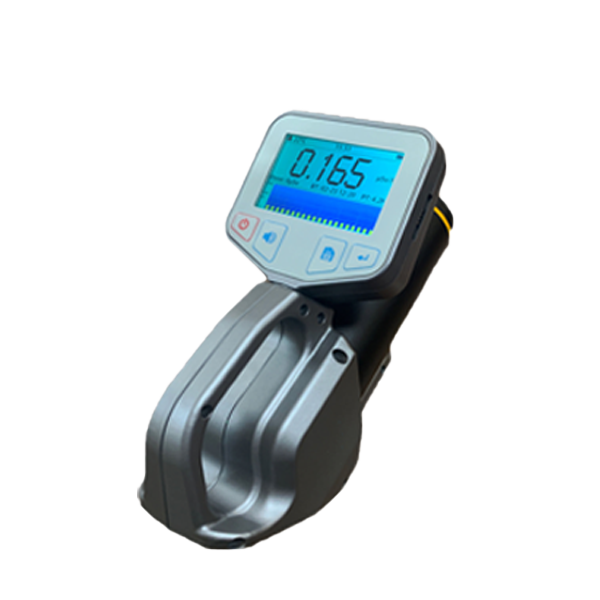
2. Portable voc gas detector
At present, in the air quality management, portable TVOC gas detector is very common, VOC gas detector using imported VOC sensor can detect the total amount of VOC, detector is small in size, without auxiliary gas, can be used for on-site, indoor air monitoring, emergency monitoring, hazardous/leak gas warning, etc.
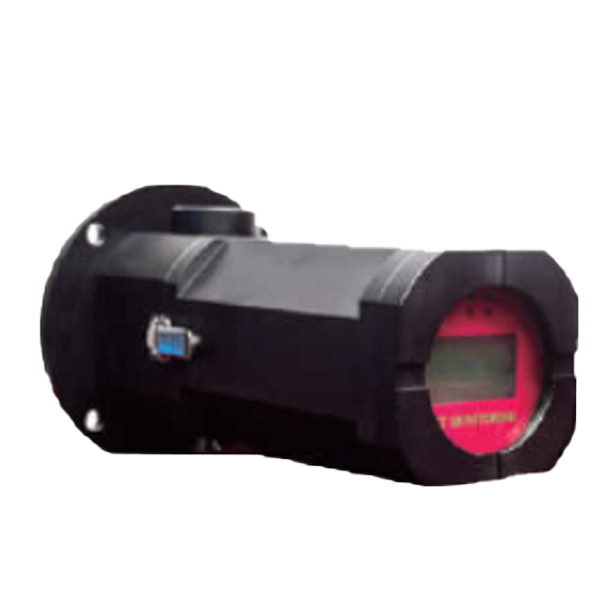
3. online voc gas detector
On-line instruments have the characteristics of continuity, connectivity and unity, which can solve the problems of timeliness, temporality and regionality of other testing instruments. Compared with laboratory instruments, on-line instruments obtain continuous monitoring results through continuous sampling and analysis. Compared with off-line monitoring, which has the characteristics of long analysis time and lagging data results, on-line monitoring has the advantages of high efficiency, short pretreatment time and continuous data, which can effectively reduce the error caused by human operation. However, the main disadvantage is that the samples have cross contamination, and the applicability and stability need to be solved urgently.
Previous Page:
Next page:


online message
Telephone:13903018415(Manager Wang)
Business: 020-29026320
E-mail:wangxueli@haiyoukj.com
Address: Rooms 1506-1507, Building 4, Chuangyue Times Cultural and Creative Park, No. 61 Xiannan Road, Guicheng Street, Nanhai District, Foshan City, Guangdong Province
Sweep code attention