hotline:020-29026320 |13903018415


Navigating the Nuances of Radiation Detection Instrumentation: What You Need to Know
2025-06-26

Understanding Radiation Detection Instrumentation
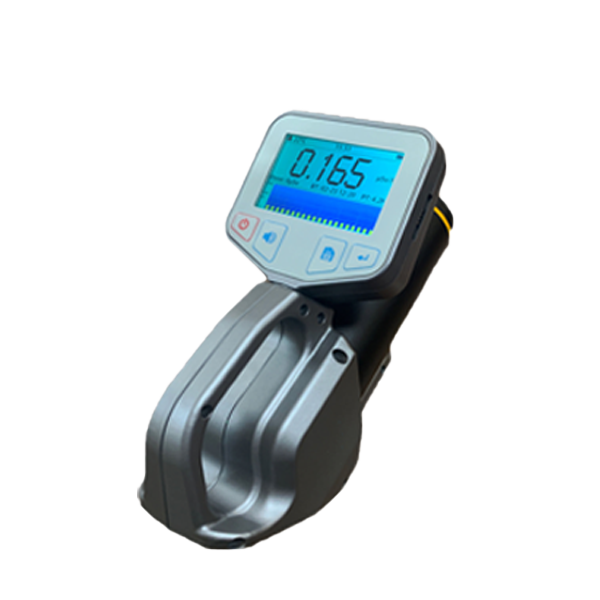
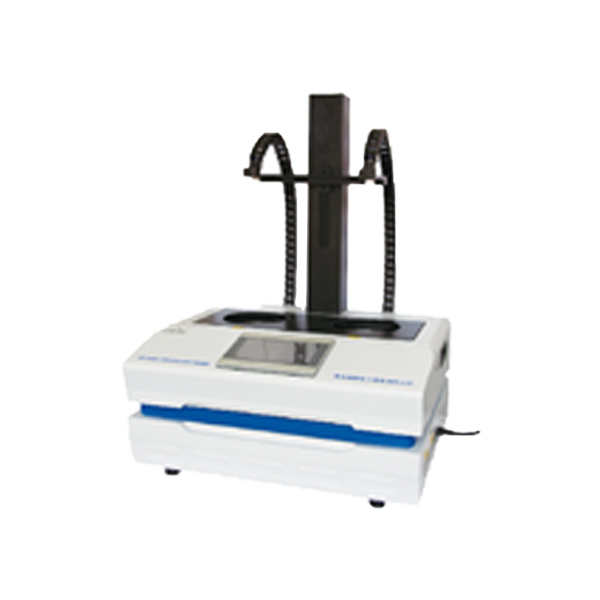
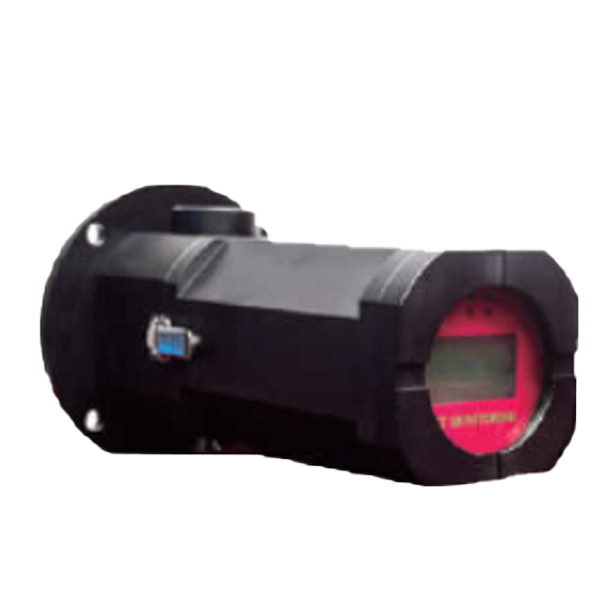
When it comes to ensuring safety in environments where radiation exposure is a concern, radiation detection instrumentation plays a pivotal role. Whether in hospitals, nuclear power plants, or research facilities, these tools help monitor and manage radiation levels effectively. But hold your horses! There’s more to it than just waving a gadget around and calling it a day.
Types of Radiation Detection Instruments
First off, let’s dive into the different types of instruments available:
- Geiger-Müller Counters: These handheld devices are like the Swiss Army knives of radiation detection—versatile and easy to use.
- Scintillation Detectors: These are a bit more high-tech, utilizing special materials to emit light when struck by radiation.
- Dosimeters: Think of these as personal radiation monitors, perfect for workers who need to keep tabs on their exposure levels.
Key Considerations When Using Radiation Detection Instrumentation
Now that we’ve got the basics down, here are some important tips to keep in mind:
1. Calibration is King
Before you embark on your radiation detection journey, ensure your equipment is calibrated correctly. An uncalibrated instrument is like a ship without a compass—good luck finding your way!
2. Understand Your Environment
Different settings can affect your readings. For instance, high humidity or extreme temperatures can throw a wrench in the works. Always familiarize yourself with the conditions where you’ll be operating.
3. Regular Maintenance is a Must
Just like you wouldn’t drive a car without regular oil changes, your radiation detection instruments need routine check-ups. If you neglect maintenance, you might find yourself in a sticky situation when it really counts.
The Importance of Training
Okay, let’s be real—using radiation detection instrumentation isn’t something you can just wing. Proper training is essential. Understanding how to interpret the readings, recognize different types of radiation, and respond appropriately can mean the difference between safety and disaster. So, invest time in training sessions. They’re worth their weight in gold!
Staying Updated on Technology
The field of radiation detection is evolving faster than a speeding bullet. New technologies and methods are regularly introduced, and staying updated is crucial. Subscribe to industry newsletters, attend conferences, or join forums. Knowledge is power!
Conclusion: Safety First!
In summary, radiation detection instrumentation is an essential tool in various industries, but using it effectively requires knowledge, care, and commitment. By keeping these practical tips in mind, you can ensure you’re not only equipped to detect radiation but also to handle it safely and responsibly. Remember, when it comes to radiation—safety isn’t just a suggestion; it’s a necessity!
In addition to staying informed about technological advancements, it's equally important to foster a culture of safety and awareness among all personnel involved in radiation detection. This means not only educating staff on the proper use of instrumentation but also encouraging open communication about safety concerns and potential hazards. Regular safety drills and workshops can reinforce the importance of radiation safety protocols, helping to ensure that everyone knows their role in an emergency. Furthermore, establishing a reporting system for near-misses or unsafe conditions can promote a proactive approach to safety. Remember, radiation detection is not just a task; it is a responsibility that requires collective vigilance. By cultivating an environment where safety is prioritized, you can help mitigate risks and ensure that all team members are prepared to act swiftly and effectively should a situation arise. Ultimately, the goal is to create a safe workspace where radiation is managed responsibly, enabling all personnel to perform their duties with confidence and peace of mind. Embracing this culture of safety not only protects individuals but also enhances the overall integrity of the organization, ensuring compliance with regulatory standards and fostering trust among stakeholders.


online message
Telephone:13903018415(Manager Wang)
Business: 020-29026320
E-mail:wangxueli@haiyoukj.com
Address: Rooms 1506-1507, Building 4, Chuangyue Times Cultural and Creative Park, No. 61 Xiannan Road, Guicheng Street, Nanhai District, Foshan City, Guangdong Province
Sweep code attention