hotline:020-29026320 |13903018415


Understanding Radiation Detection Instrumentation: How It Works
2025-06-28
A Glimpse into the World of Radiation
Radiation detection instrumentation plays a crucial role in our understanding of the unseen forces that surround us. From medical applications to environmental monitoring, these tools are vital in ensuring safety and compliance. But let’s not get ahead of ourselves; let’s break down what radiation really is. In simple terms, it’s energy that comes from a source and travels through space. Ever heard of alpha, beta, and gamma radiation? They’re like the three amigos of radiation, each with its own characteristics and behaviors!
“Understanding these types of radiation is essential for effectively utilizing detection instrumentation. Alpha radiation consists of heavy, positively charged particles that can be stopped by a sheet of paper or even human skin, making them relatively harmless outside the body but dangerous when ingested or inhaled. Beta radiation, on the other hand, consists of lighter, negatively charged particles that can penetrate more deeply into materials, requiring plastic or glass shielding to block them. Gamma radiation is the most penetrating of the three, as it consists of high-energy electromagnetic waves. It can pass through the human body and many materials, necessitating the use of dense substances like lead or several centimeters of concrete for effective shielding.
Detection instruments are designed to identify and measure these different types of radiation, employing various technologies such as scintillation counters, Geiger-Müller tubes, and semiconductor detectors. Scintillation counters utilize materials that emit light when they absorb radiation, allowing for precise measurements of radiation levels. Geiger-Müller tubes are widely recognized for their click-and-tick sound when radiation is detected, providing a simple yet effective means of monitoring radiation in the environment. Semiconductor detectors offer high-resolution measurements and are increasingly used in advanced applications, including nuclear physics and medical imaging.
As we continue to develop our understanding of radiation and its effects, these detection instruments become increasingly sophisticated, providing us with the tools necessary to safeguard our health and environment. By understanding how these instruments work and the types of radiation they detect, we can better appreciate their significance in our daily lives and the importance of responsible radiation management in various sectors, from healthcare to nuclear energy.”
The Basics: What Is Radiation Detection Instrumentation?
Alright, let’s get to the meat and potatoes! Radiation detection instrumentation refers to the devices used to identify and measure radiation levels. Think of them as your trusty sidekicks in the fight against radiation exposure. Whether you’re a scientist working in a lab, a technician monitoring nuclear power plants, or a health professional ensuring patient safety, these instruments are indispensable.
How Do They Work?
Now, you might be wondering, “How do these gizmos work?” Well, let’s dig in! At their core, radiation detection instruments either count particles or measure the energy emitted by radioactive materials. They transform the invisible into data you can see! It’s almost like magic, but with a lot of science behind it.
Types of Instruments: The Big Players
So, what kinds of radiation detection instrumentation are out there? Here’s a quick rundown:
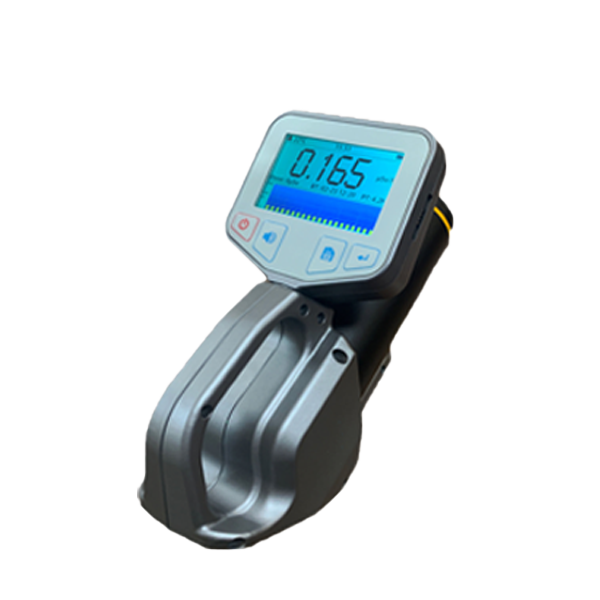
- Geiger-Müller Counter: This classic instrument clicks away to indicate the presence of radiation. It’s often the go-to for quick checks.
- Scintillation Detector: With a flash of light, this device detects high-energy radiation. It’s like a disco party for radiation!
- Dosimeter: Think of it as your personal radiation exposure badge. It’s essential for workers in high-radiation areas.
- Ionization Chamber: This one measures the charge produced by ionizing radiation. It’s precise and reliable, perfect for regulatory purposes.
The Science Behind the Scenes
So, how does all this work from a scientific standpoint? When radiation hits a detector, it interacts with the material inside, causing ionization. This ionization leads to the generation of electric signals, which are then processed to give you a readable output. It’s all about converting that invisible energy into quantifiable data!
Why Is It Important?
You might be asking, “Why should I care about radiation detection instrumentation?” Well, let me tell you, it’s a big deal! From ensuring the safety of nuclear facilities to playing a pivotal role in diagnosing and treating cancer, these instruments help protect lives. They also monitor environmental radiation levels, which is crucial for public health. Talk about being on the frontline!
Now that we've covered the basics of how radiation detection instrumentation functions, let’s delve deeper into the various types of detectors and their specific applications. One of the most common types is the Geiger-Müller (GM) counter, which is widely used for detecting beta and gamma radiation. Its portable design makes it ideal for field surveys and quick assessments, especially in situations where immediate results are necessary, such as in emergency response scenarios. Another important type is the scintillation detector, which utilizes special materials that emit flashes of light when they interact with radiation. This type is particularly effective for detecting low levels of gamma radiation and is often employed in medical settings, such as in the detection of radioactive tracers used in imaging procedures.
For more precise measurements, semiconductor detectors are gaining popularity due to their ability to provide high-resolution energy spectra. These detectors are often used in research applications and nuclear physics, where understanding the energy levels of emitted radiation is crucial. In addition to these, dosimeters play a vital role in personal safety by measuring the accumulated dose of radiation exposure over time, making them indispensable for workers in high-radiation environments.
As technology continues to advance, we are seeing the integration of digital technology into radiation detection instrumentation. This evolution allows for real-time data analysis, improved accuracy, and enhanced user interfaces that make it easier for professionals to interpret the results. Moreover, with the rise of environmental concerns, the demand for continuous monitoring of radiation levels in our surroundings is more pressing than ever. As a result, we are likely to see more sophisticated instruments that can provide comprehensive data on both natural and artificial radiation sources, helping to ensure that we remain informed and protected in our everyday lives. Ultimately, radiation detection instrumentation not only serves as a guardian of health and safety but also empowers us to understand the intricate dynamics of radiation in our world.
Real-World Applications
Radiation detection instrumentation is everywhere, folks! Here are a few examples:
- Medical Field: In hospitals, radiation detectors are used in imaging and therapy to ensure safe practices.
- Nuclear Industry: These instruments are critical in monitoring radiation levels around nuclear reactors.
- Environmental Monitoring: Governments use radiation detection to keep tabs on environmental safety and compliance.
The Future of Radiation Detection
As technology advances, so does radiation detection instrumentation. New materials and methodologies are constantly being developed, improving precision and reliability. Who knows? The next generation of detectors might be able to communicate data in real-time via your smartphone!
"Some common examples of radiation detection instruments include Geiger-Müller counters, scintillation detectors, and dosimeters. Geiger-Müller counters are perhaps the most well-known; they provide audible clicks or visual displays when they detect radiation, making them user-friendly for both professionals and the general public. Scintillation detectors, on the other hand, use special crystals that emit flashes of light when radiation interacts with them. This light is then converted into an electrical signal, allowing for highly sensitive measurements. Dosimeters are personal monitoring devices that measure an individual’s exposure to radiation over time, ensuring that workers in hazardous environments stay within safe limits.
The importance of these instruments extends beyond immediate safety; they are also crucial in research and development. In nuclear medicine, for instance, radiation detection tools help ensure that doses of radioactive materials used in imaging and treatment are accurate and effective. Environmental scientists use these instruments to track changes in background radiation levels, which can indicate broader ecological shifts or potential hazards.
As we continue to advance our understanding of radiation and its effects, the integration of advanced technologies, such as artificial intelligence and machine learning, into radiation detection instrumentation is likely to enhance their capabilities even further. Imagine detectors that not only identify radiation but also analyze its sources and predict its potential impact in real-time. This could revolutionize how we approach safety in industries ranging from healthcare to nuclear energy, allowing for more proactive measures in radiation protection. Ultimately, as our reliance on these instruments grows, so does the need for public awareness and education on radiation safety, ensuring that everyone can make informed decisions in an increasingly complex world."
Conclusion: Stay Informed, Stay Safe
In summary, understanding how radiation detection instrumentation works is vital for anyone interested in science, safety, or public health. These instruments are more than just gadgets; they’re essential tools that help us navigate the complexities of radiation in our world. So, the next time you hear that familiar “click” of a Geiger counter, you’ll know it’s not just noise—it’s a powerful ally in the quest for safety!
As we look to the future, the evolution of radiation detection instrumentation holds exciting possibilities. Innovations in nanotechnology and artificial intelligence are paving the way for more sensitive and efficient detectors that can operate in a wider range of environments. Imagine portable devices that not only detect radiation but also analyze and interpret data on-the-go, providing instant feedback and recommendations. This could be particularly transformative in emergency situations, such as nuclear accidents or radiological emergencies, where rapid response is crucial. Furthermore, the integration of these instruments with the Internet of Things (IoT) could lead to a network of interconnected detectors, continuously monitoring radiation levels in various locations and alerting authorities in real-time. This level of connectivity would enhance our ability to protect public health and the environment, making radiation monitoring more proactive rather than reactive. Additionally, educational initiatives can help demystify radiation and its detection, empowering individuals and communities to engage with this technology confidently. As awareness grows and technology advances, we can look forward to a future where radiation detection is not only a safety measure but also a part of our everyday lives, ensuring that we navigate the complexities of radiation with informed awareness and improved security. Ultimately, the journey of radiation detection instrumentation is just beginning, and its potential to enhance safety, health, and knowledge is boundless.


online message
Telephone:13903018415(Manager Wang)
Business: 020-29026320
E-mail:wangxueli@haiyoukj.com
Address: Rooms 1506-1507, Building 4, Chuangyue Times Cultural and Creative Park, No. 61 Xiannan Road, Guicheng Street, Nanhai District, Foshan City, Guangdong Province
Sweep code attention